
Description
Product Overview
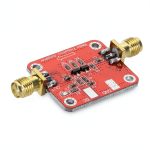
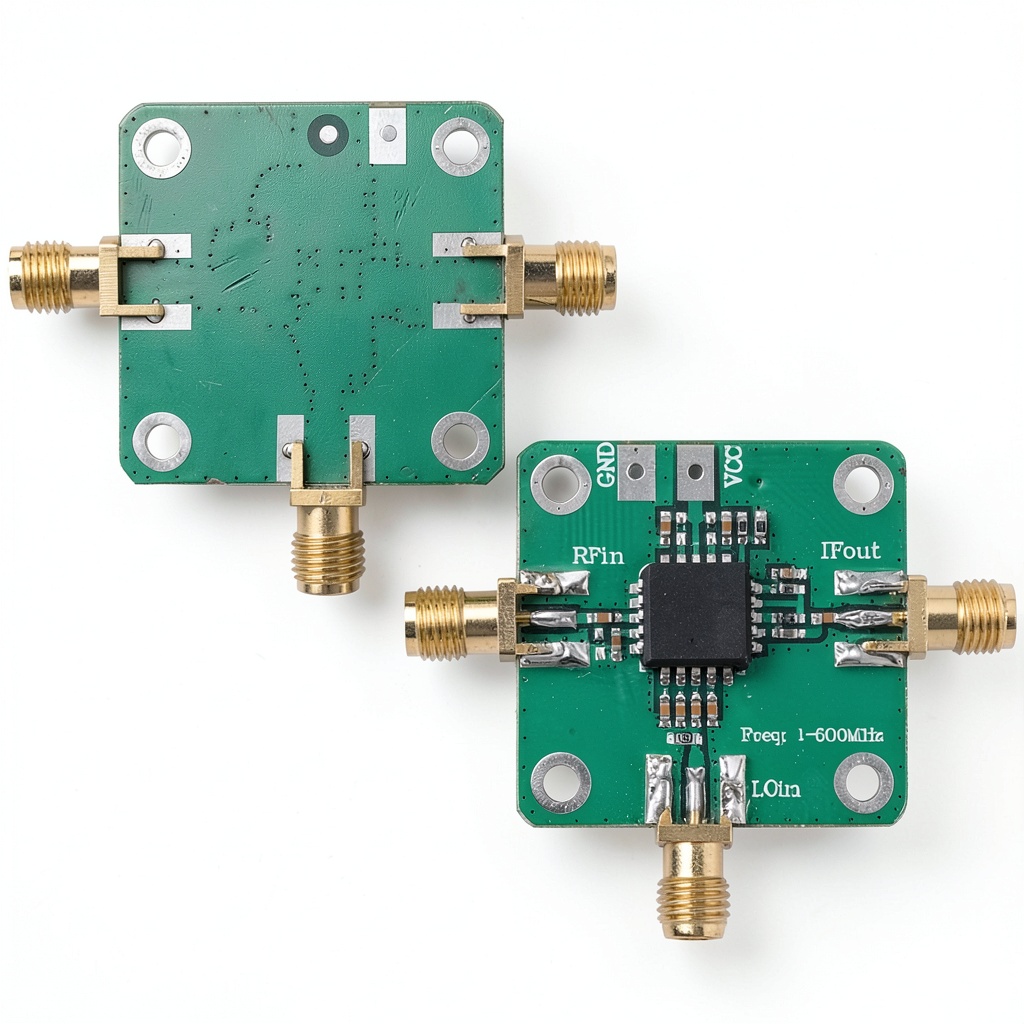
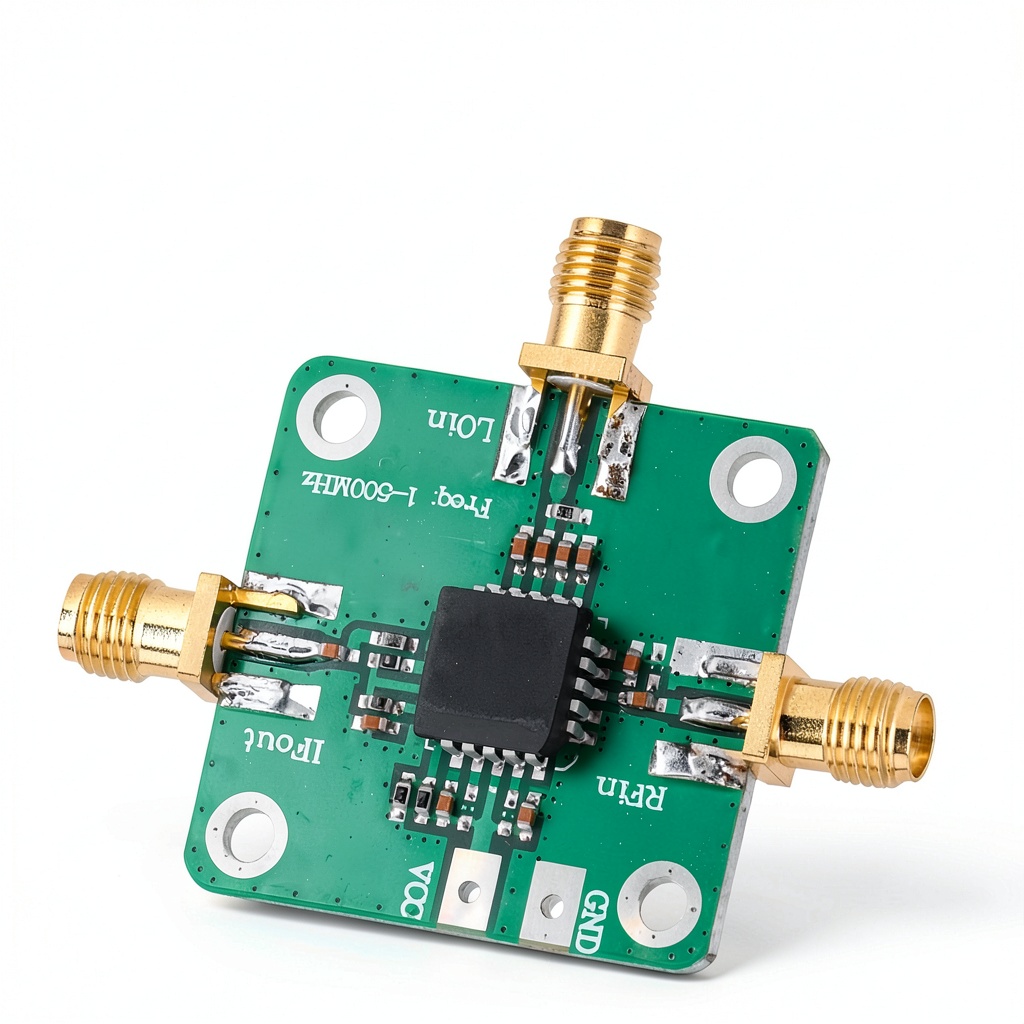
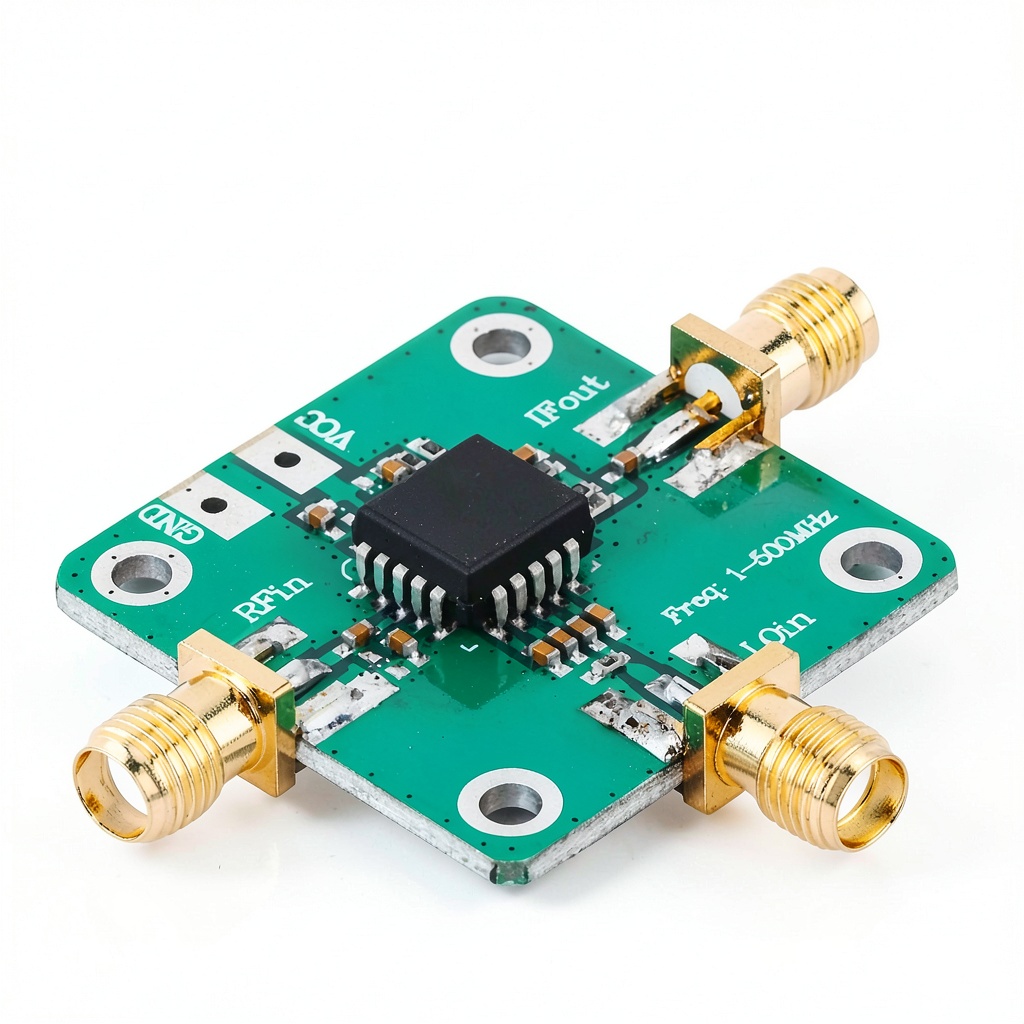
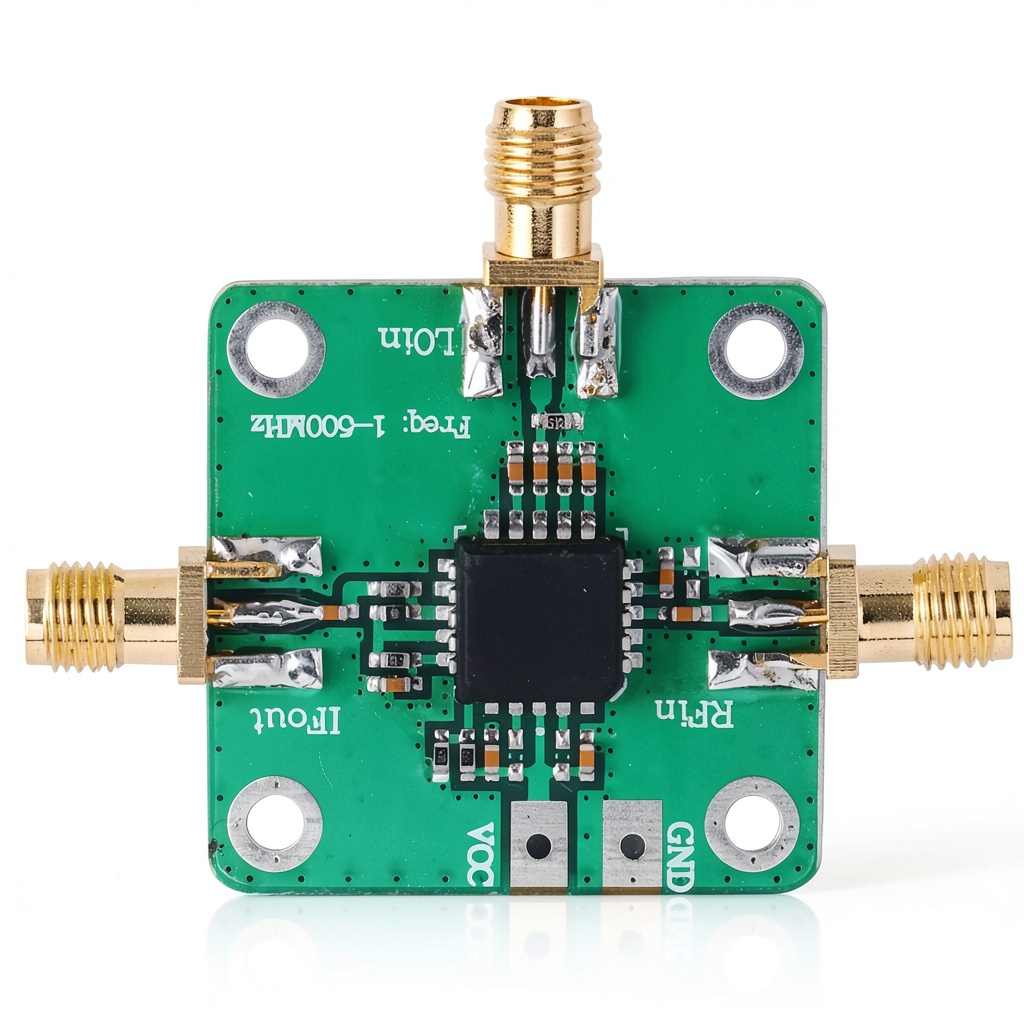
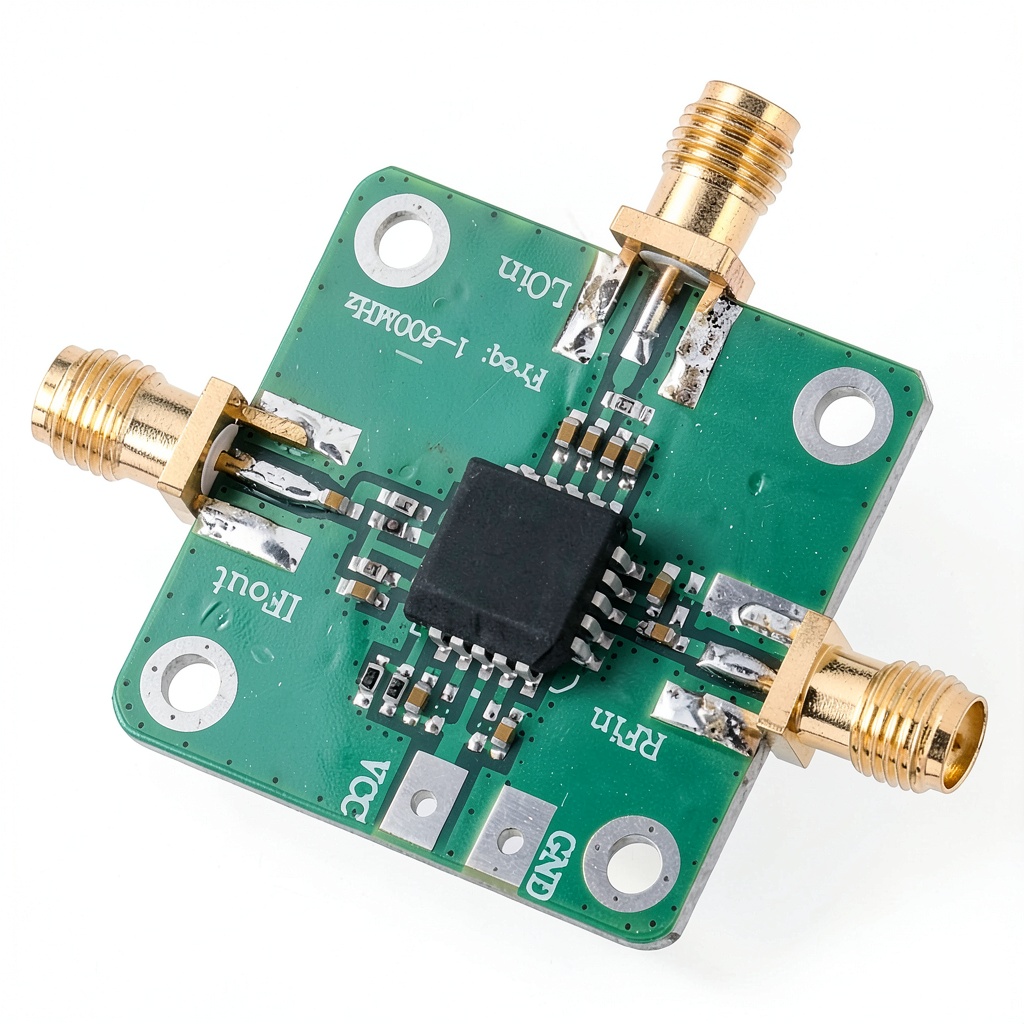
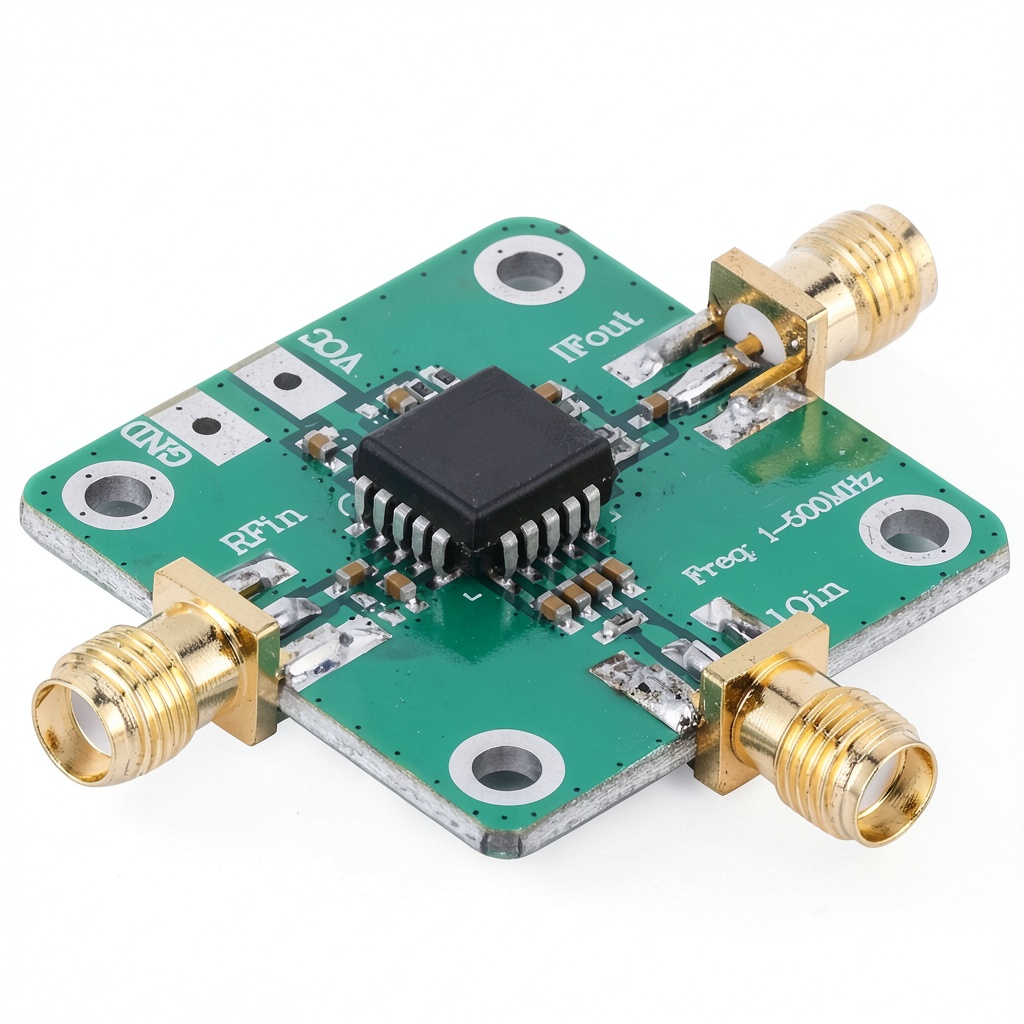
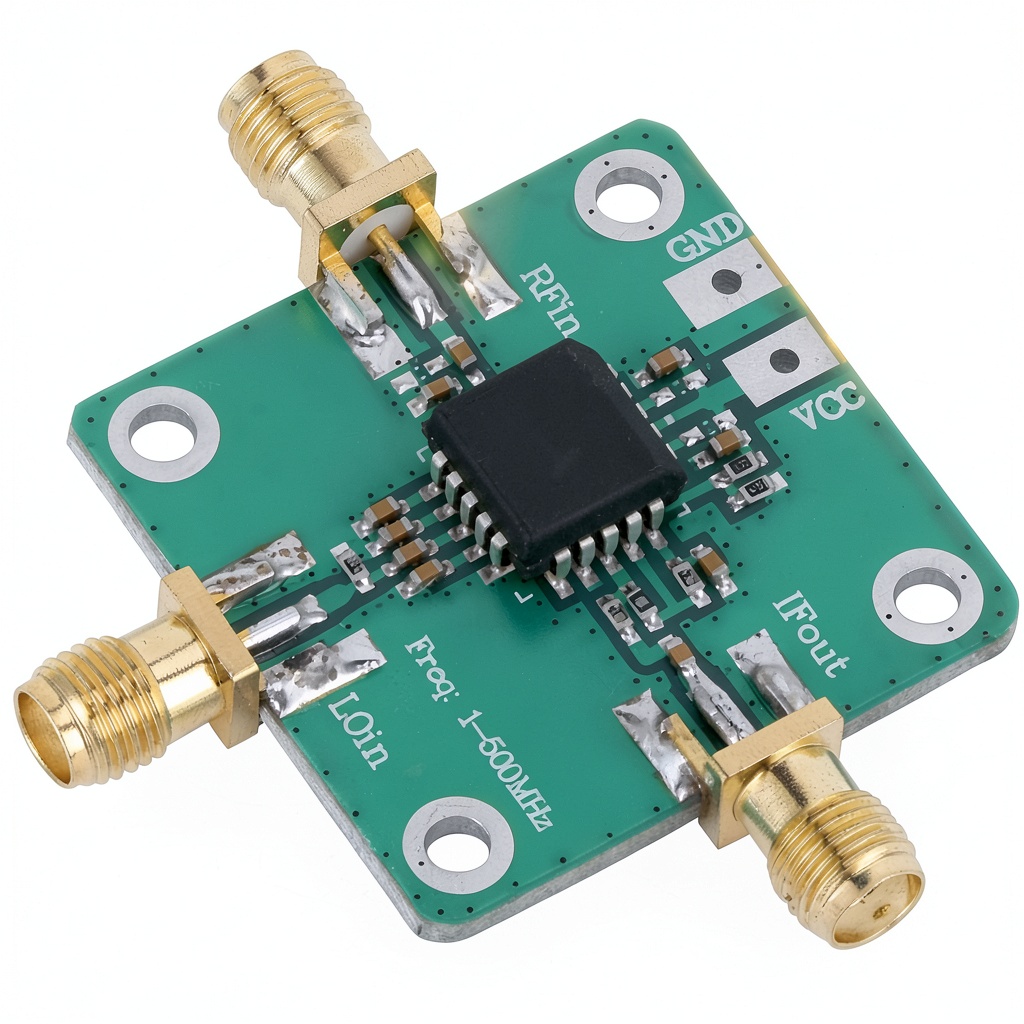
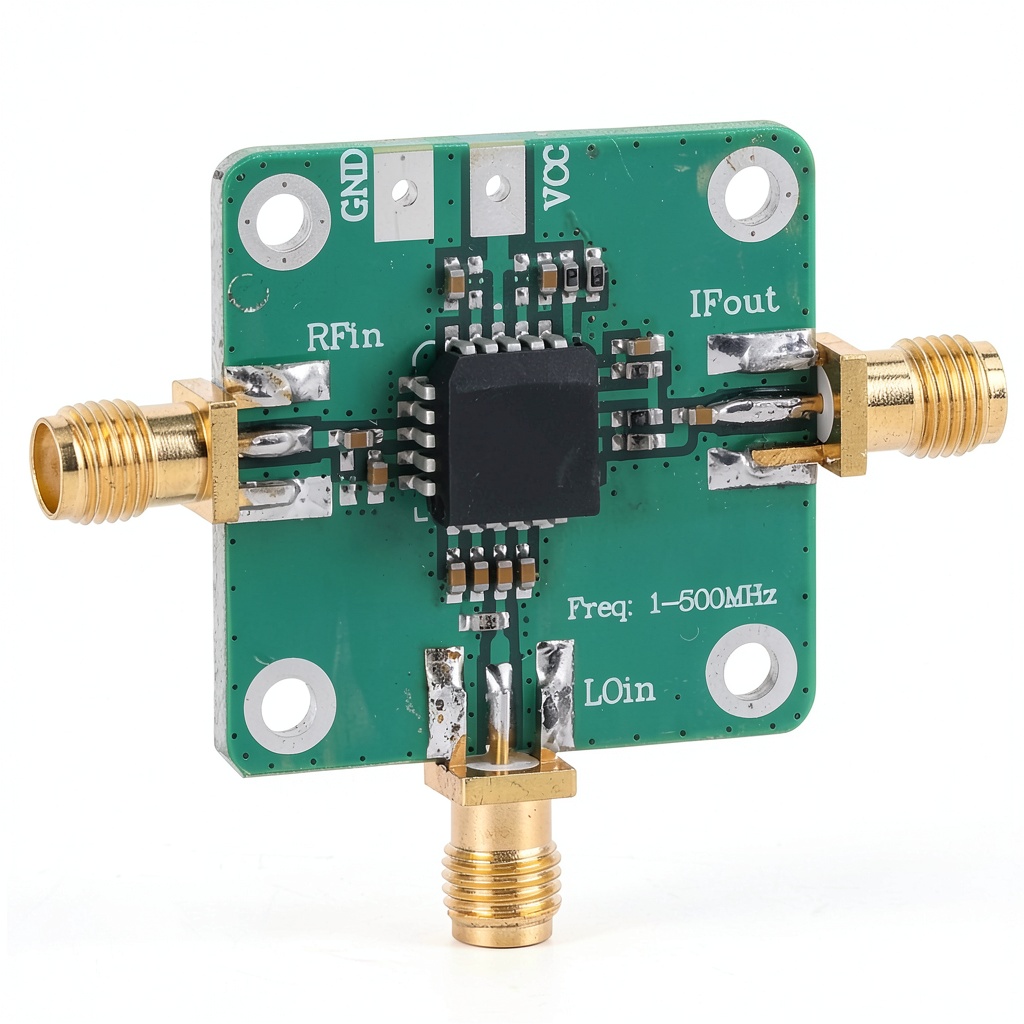
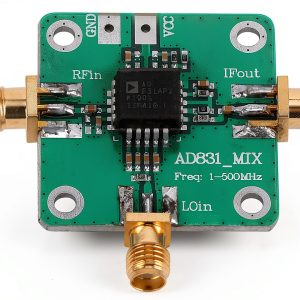
The AD831 RF Mixer Module by Walfront is engineered for high‑performance frequency conversion in demanding RF environments. Designed to operate from 0.1 MHz up to 500 MHz, the module provides a broad bandwidth that accommodates both HF and VHF applications. Its architecture incorporates a single‑power supply design, eliminating the need for multiple voltage rails and simplifying board layout. The RF, IF, and LO ports are equipped with DC isolation capacitors, ensuring clean signal paths and minimizing unwanted coupling. With a third‑order intermodulation point of +24 dBm, the mixer delivers excellent linearity, allowing for high‑quality signal processing even in the presence of strong interferers. The low DC offset characteristic makes it especially suitable for DC baseband conversion and quadrature amplitude demodulation, where precision and stability are critical.
![[Product front view showing all components]](https://www.quenvira.store/wp-content/uploads/2026/07/d2106a3ab2cf4092bdbec2acb83ec74a.jpg)
Usage
This mixer module excels in a variety of real‑world scenarios. It is ideal for HF and VHF receiver front‑ends where RF‑IF frequency conversion is required, serving as the second mixer in a super‑heterodyne architecture. The module’s ability to handle low‑level LO power (10 dBm) without sacrificing performance reduces the burden on LO generation circuits, making it a cost‑effective choice for compact receivers. In addition, the AD831 is well‑suited for quadrature demodulation tasks in software‑defined radio (SDR) platforms, where accurate I/Q separation is essential. Its robust design also supports baseband frequency conversion in test and measurement equipment, providing reliable performance in laboratory environments. Engineers designing communication subsystems, spectrum analyzers, or signal generators will find the module’s low DC offset and high intermodulation capabilities valuable for maintaining signal integrity.
Why Choose Us
Choosing the Walfront AD831 means selecting a component that combines precision engineering with practical cost savings. The module eliminates the need for additional shielding and isolation components that are typically required with passive mixers, thereby reducing overall system complexity and expense. Walfront’s rigorous quality assurance processes ensure each unit meets strict performance specifications, delivering consistent results across production batches. The single‑power design not only simplifies integration but also improves reliability by reducing the number of potential failure points. Moreover, Walfront provides responsive technical support and comprehensive documentation, helping customers accelerate development cycles and resolve integration challenges quickly.
Key Features
- Broad 0.1‑500 MHz bandwidth enables versatile HF/VHF applications.
- Low DC offset ensures accurate baseband conversion and quadrature demodulation.
- Single‑power supply design simplifies PCB layout and reduces component count.
- +24 dBm third‑order intermodulation point provides excellent linearity under strong signal conditions.
- Dedicated after‑sales support and detailed integration guides for fast time‑to‑market.
FAQ
What LO power level is required for optimal performance?
The AD831 is designed to operate efficiently with an LO power of around 10 dBm, eliminating the need for high‑power LO drivers.
Can the module be used for both RF‑IF conversion and baseband processing?
Yes, its low DC offset and wide bandwidth make it suitable for RF‑IF conversion as well as DC baseband frequency conversion and quadrature demodulation.
Is additional shielding required when integrating the mixer into a system?
Because the AD831 incorporates built‑in DC isolation capacitors and a single‑power design, extra shielding is generally unnecessary, which helps lower overall system cost.
What is the typical insertion loss of the AD831?
Insertion loss is typically around 6 dB across the specified frequency range, providing a good balance between conversion efficiency and signal integrity.
How does the module handle temperature variations?
The mixer is rated for operation from –40 °C to +85 °C, and its low DC offset performance remains stable across this temperature span, ensuring reliable operation in harsh environments.
Reviews
There are no reviews yet.